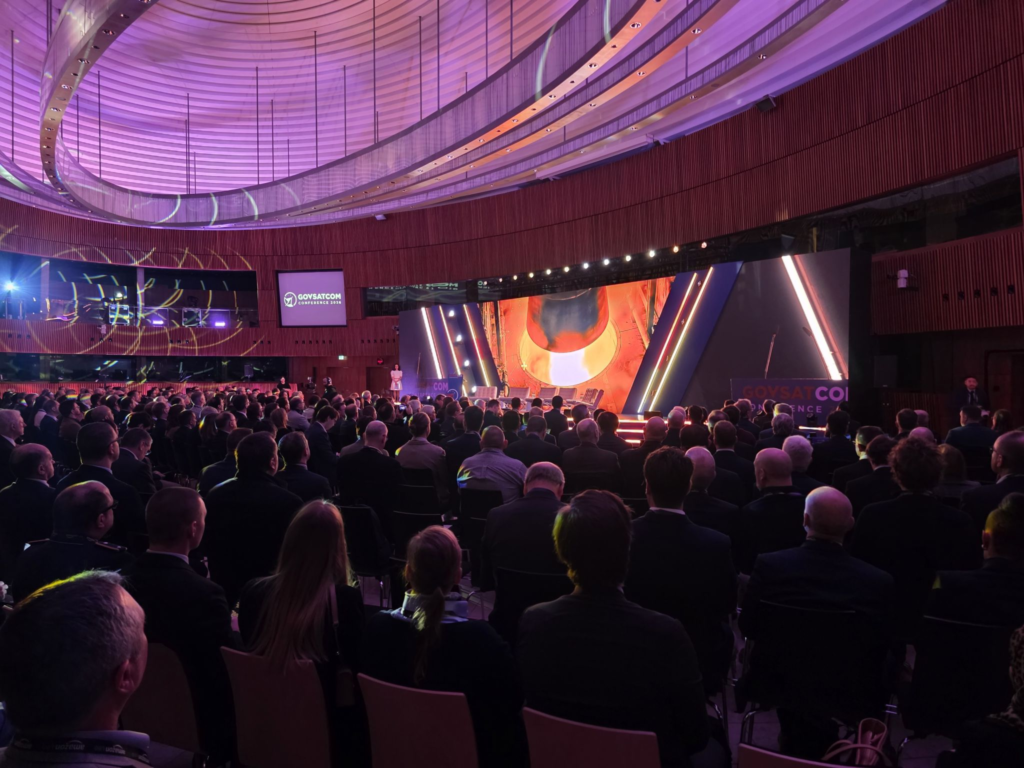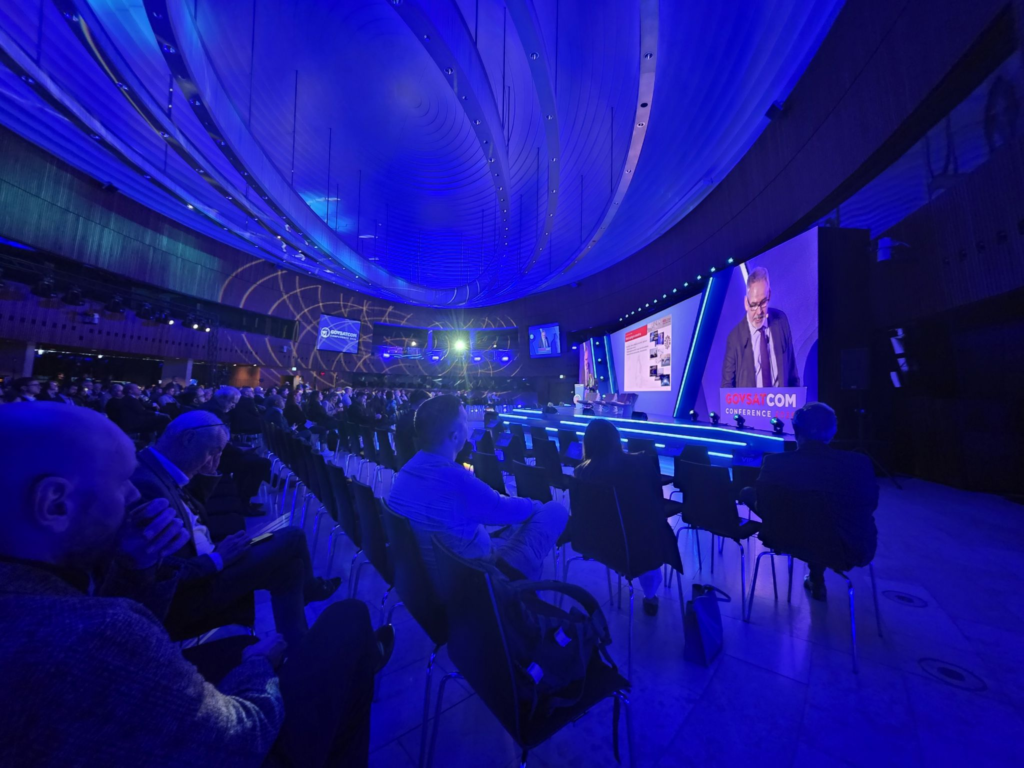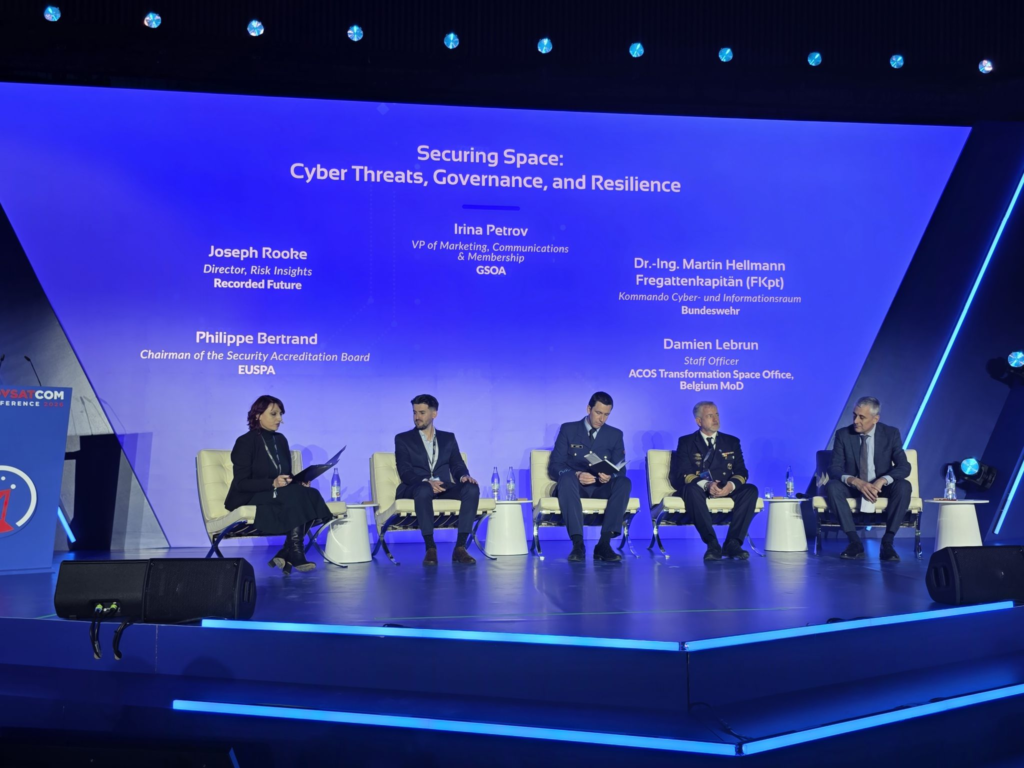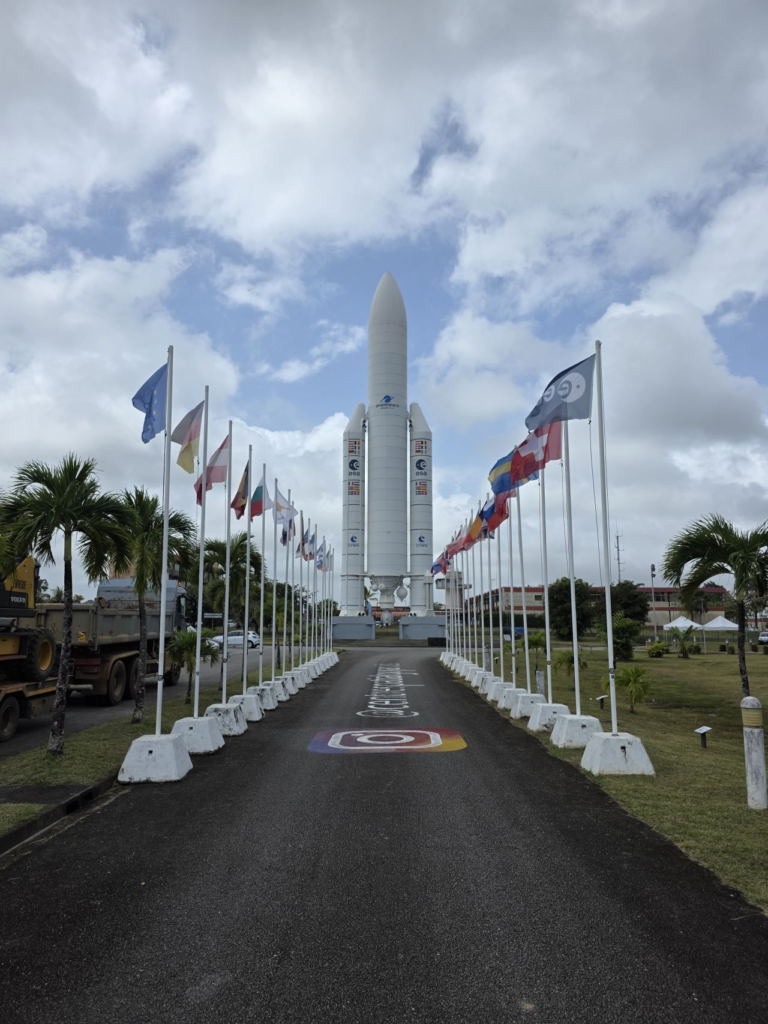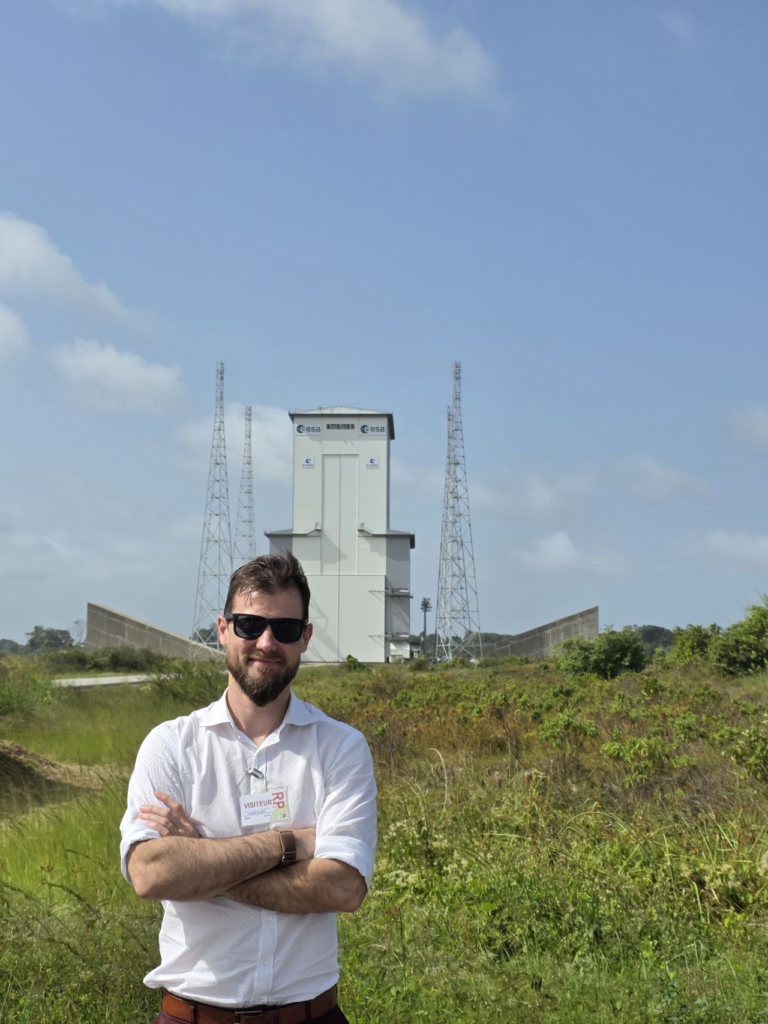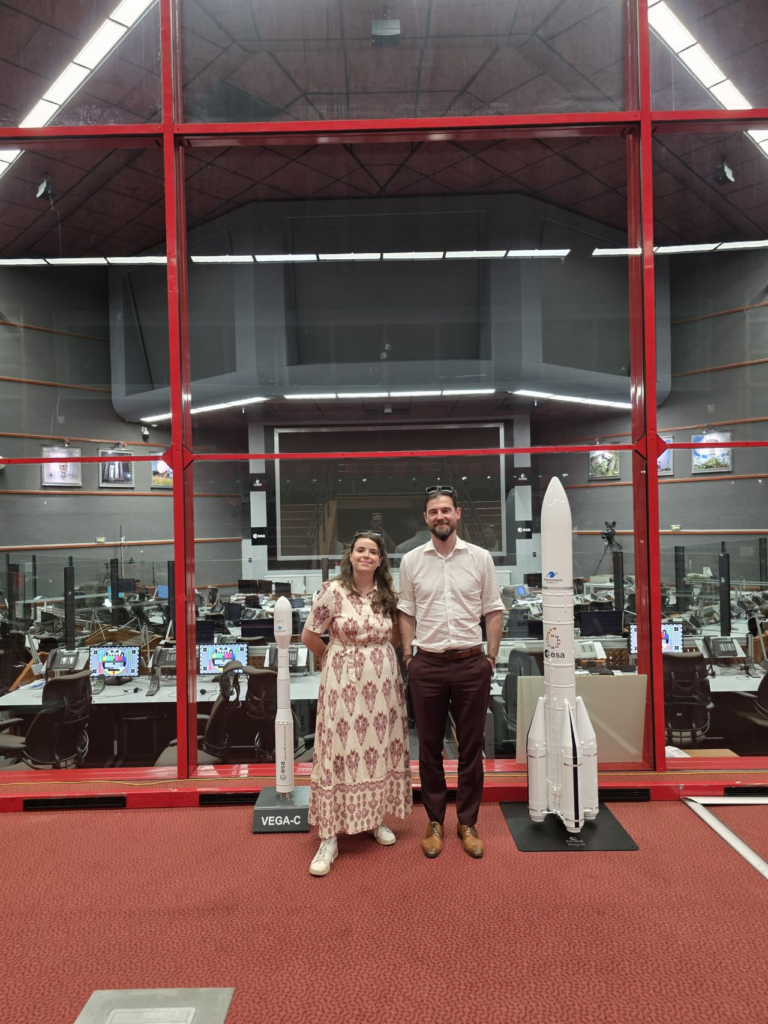
One of the standout moments was the Capture The Flag (CTF) competition, brilliantly organised by the European Space Agency – ESA with the support of the D-Orbit team, who provided access to 3 actual orbiting platforms, Leaf Space, for the provision of the ground network, and the expertise of the famous mackeroni team, who designed a set of 25 cybersecurity challenges 🕵️♂️ Among the challenges run in orbit, the teams tackled: binary exploitation, reverse engineering, cryptography, web vulnerabilities, radio communication, and space-math tasks 🌌🚀
Kudos to the 🏆 Superflat team 🏆 and the CTF organizers!
🛰️💡 Dear network 🚀⚔️ 🌌 Exciting times at the Software Defined Space Conference, SDSC, Tallinn, Estonia!
🇪🇪 Estonia stands out as a vibrant hub for space technology and entrepreneurship. The energy, ambition, and collaboration here truly highlight the vitality of the Estonian community!
💸With its minimal corporate tax (0% corporate tax on reinvested profits 😱) and digital-first environment, Estonia continues to empower entrepreneurs to grow and innovate, especially in the space industry.
Kudos to the SDSC team for an outstanding conference!
Je suis ravi d’annoncer que je participerai à un panel à @CYSAT Toulouse sur le thème : Comment intégrer une cybersécurité évolutive à la fois sur des programmes spatiaux « traditionnels » et New Space ? 🚀
Rejoignez-nous à CYSAT Toulouse, en partenariat avec le CBC – Cybersecurity Business Convention, le mercredi 27 novembre au MEETT à Toulouse, pour une discussion enrichissante avec des experts sur les principaux enjeux stratégiques et de cybersécurité qui façonneront l’avenir du spatial.
Ne manquez pas l’occasion de rencontrer des professionnels et innovateurs qui participent à l’évolution de la cybersécurité dans le secteur du spatial. 🎟️ Inscription gratuite ici : https://cbc-convention.com
J’ai le plaisir de vous annoncer ma participation à la table ronde : Comment intégrer une cybersécurité évolutive à la fois sur des programmes spatiaux “traditionnels” et New Space ?🛰️🚀
Following the success of our Space Intelligence Watch, CyberInflight expands its analytical coverage with the launch of the Cyberdefense Monthly Watch. This new intelligence product follows the same structure (Geopolitics, Market, Threat, Regulation, Technology & Training) while extending its scope to the 5 domains of warfare: land, air, sea, space, and cyber. Each month, the Cyberdefense Monthly Watch offers a cross-domain analysis of key priorities such as drones and autonomous systems, emerging threats, and the convergence between cyber and electronic warfare. The Watch is available in French and in English!
💡 Our goal: to deliver a transversal understanding of how multi-domain evolutions are reshaping military systems, operations, and the strategic balance.
As space becomes an unprecedented strategic and dual-use domain, space cybersecurity has never been more critical. Cyberthreats against the space sector are evolving and adapting rapidly, driven by increasingly complex geopolitical tensions.
Our latest 370-page market intelligence report offers an unprecedented overview of this fast-changing topic: ⚔️Cyberattacks become more complex and converge toward the electromagnetic field, increasing asymmetry between offensive and defensive actions. 📈The space-cybersecurity market is following a double-digit growth, reflecting unprecedented momentum for security solution providers ⚖️The regulatory ecosystem is taking shape, despite geopolitical uncertainties and difficulties in finding a consensus 🛠️A combination of technological push and market pull facilitates the adoption of cybersecurity solutions ⚛️Quantum technologies remain high on the agenda for the years to come as a strategic priority for future space infrastructures and communications 🪖The duality of space has never been more pronounced
The report provides public and private decision-makers a clear view of the threat landscape, market opportunities, and trajectories shaping this sector. Space is more than a new frontier: it is a field of conflictuality, innovation, and competition, where cybersecurity now plays a central role.
With several new cyber frameworks taking shape, studying their impact on the SATCOM ecosystem is crucial. To address this need, CyberInflight is proud to collaborate with European Space Agency – ESA and OHB Digital Connect GmbH in the Cybersecurity Makerspace project!
Earlier this year, CNES published its Cybersecurity Hygiene Guide for Orbital Systems, and we’re taking a closer look at one of its key elements: the regulatory map we helped create to guide space stakeholders through evolving European and international requirements. With the EU Space Act proposal published in late June 2025, this framework is more relevant to understand the ecosystem clearly.
Rather than just being a list of rules, this framework brings together: 🌍 Leading international cybersecurity standards 🇪🇺 European and 🇫🇷 French legislative frameworks 💡 Practical insights and lessons learned from across the space sector
Why does this matter? Because as cyber-threats grow more sophisticated and regulations evolve, space operators need a clear, reliable reference point. This framework helps them anticipate change, stay compliant, and speak the same “security language” across the entire ecosystem. In an era where space is both a frontier and a target, having a shared regulatory foundation is key to safeguarding sovereignty and building resilience.
Yesterday, the European Commission published the long-awaited proposal for the EU Space Act, establishing a comprehensive regulatory framework to strengthen the resilience, safety, and sustainability of space activities across the Union.
🛰️ 📢 🚀 CyberInflight is proud to have contributed its space cybersecurity expertise to this critical initiative! We sincerely thank the European Commission for referencing our work on page 6 of the proposal on the impact assessment report.
A particularly important element of the EU Space Act is its strong focus on cybersecurity. Space operators will be required to carry out lifecycle risk assessments, apply tailored cybersecurity measures, and establish proper incident reporting protocols. This is a clear recognition that cyber-threats are now a fundamental challenge to space systems, and must be addressed with the same level of rigor as physical and operational risks.
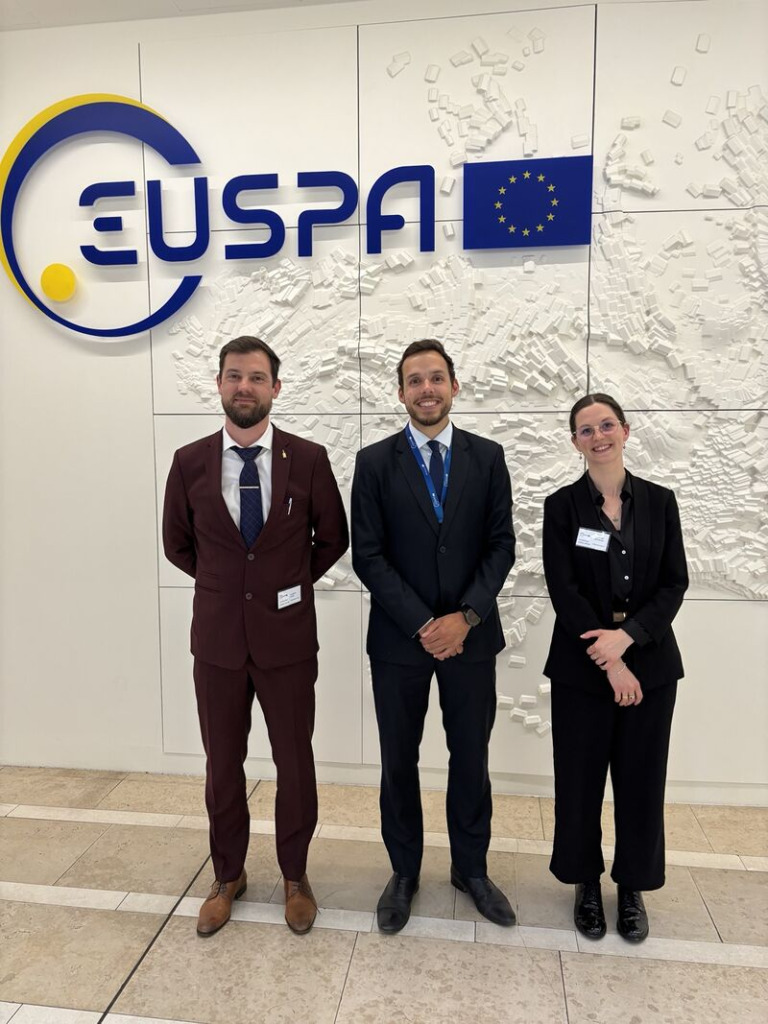
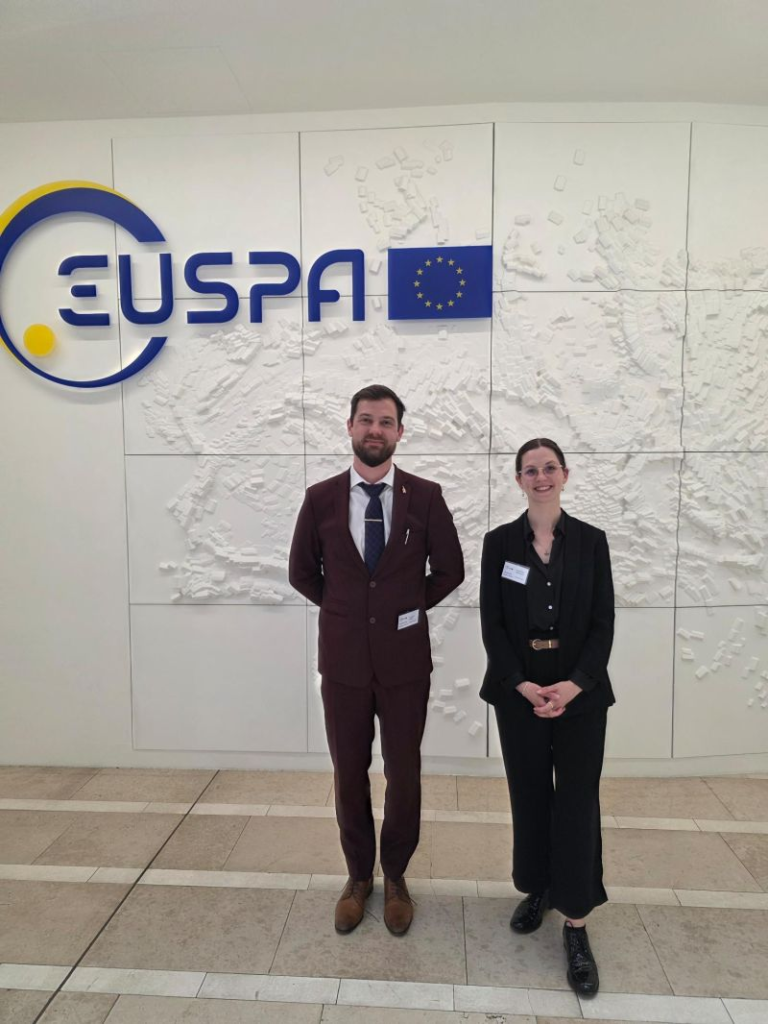
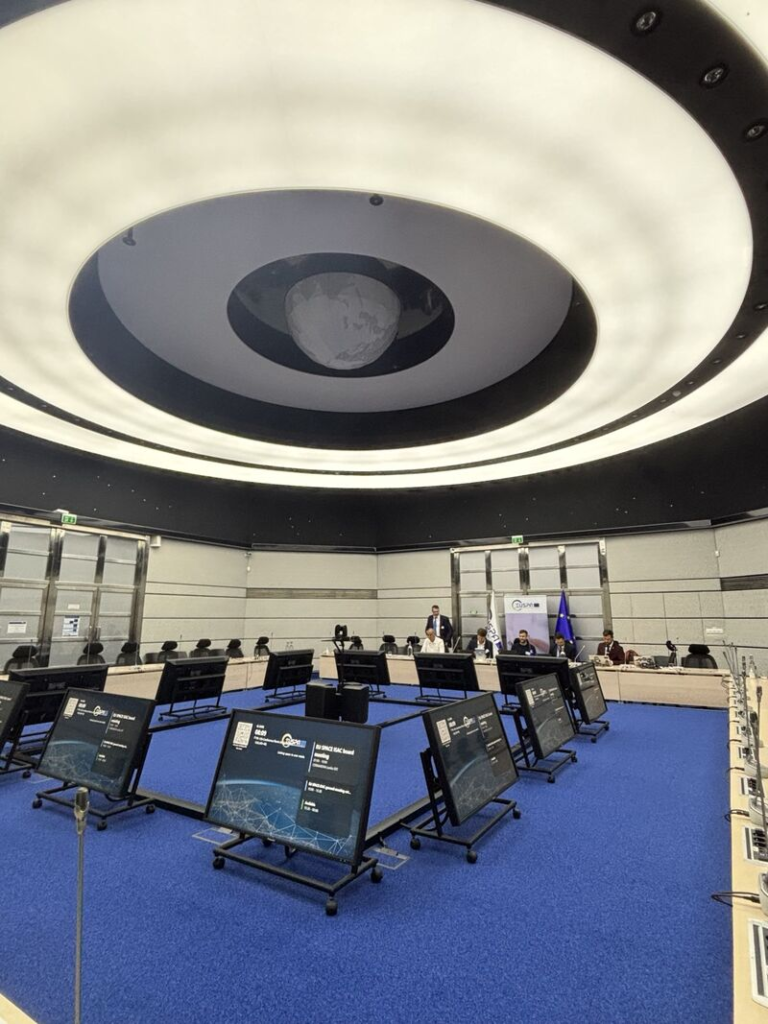
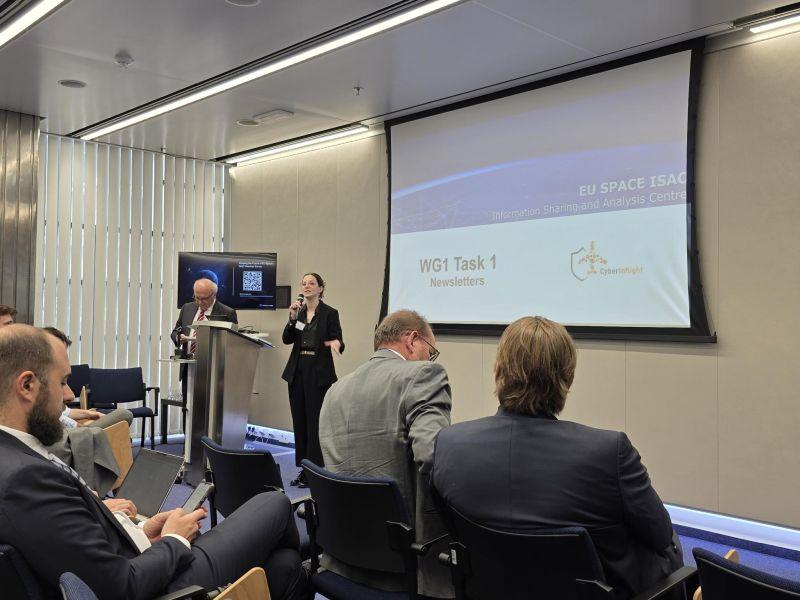
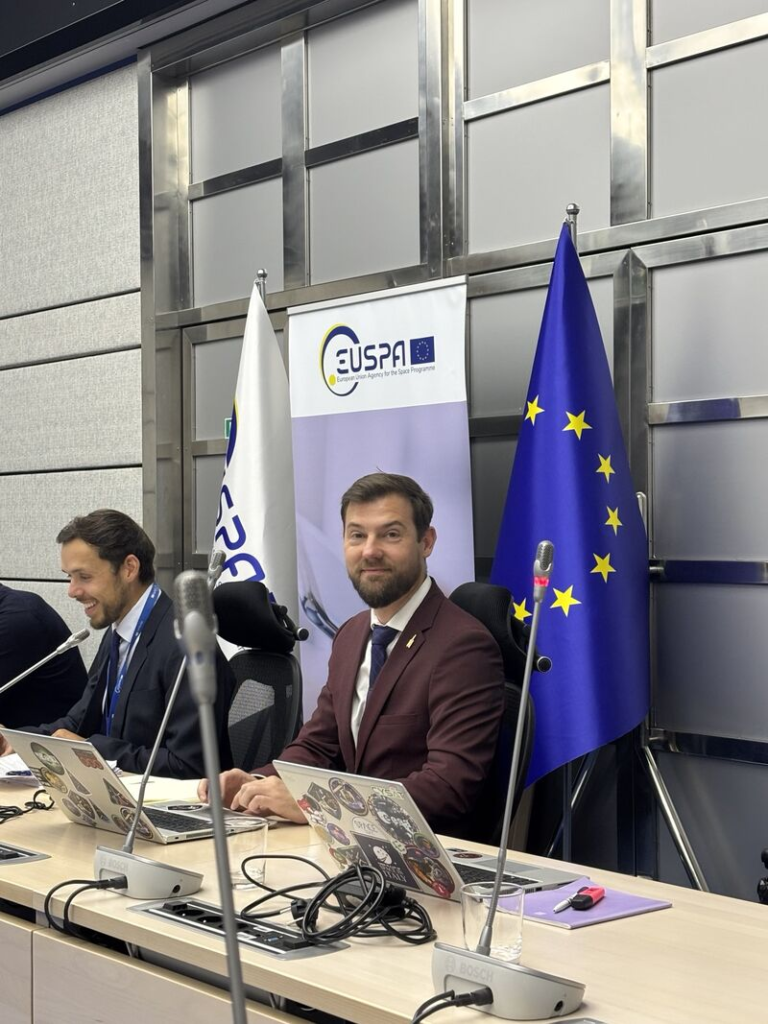
Last week, CyberInflight took part in the EU Space ISAC Board and General Meetings held in Madrid.
As a founding member of the EU Space Information Sharing and Analysis Centre (EU Space), we are proud to collaborate with fellow members and institutions dedicated to enhancing the cybersecurity and resilience of the EU space ecosystem.
Cochaired by the European Commission’s Directorate-General for Defence Industry and Space (EUDEFIS) and EUSPA – EU Agency for the Space Programme, those meetings marked a pivotal step forward in strengthening cooperation and fostering information-sharing across the European space community.
Florent RIZZO and Valentine Crepineau took the floor to present CyberInflight’s activities within the ISAC in more detail, as we remain firmly committed to safeguarding Europe’s critical space infrastructure and contributing to a secure, united response to emerging threats.